Car makers should use their leverage on aluminium suppliers to ensure a planned expansion of a controversial bauxite mine in Guinea brings positive development for local communities, after a new report reveals community concerns, members of Lead the Charge have said.
Toyota, Ford, GM, BMW, Mercedes, Porsche and Audi are linked to the mine through documented supply chain connections to aluminium producers Alcoa, Rio Tinto and Dadco, which jointly own the mine along with the Guinean government, according to the new report by the international human rights organization Inclusive Development International and Guinean NGOs Action Mines-Guinea, CECIDE and ADREMGUI.
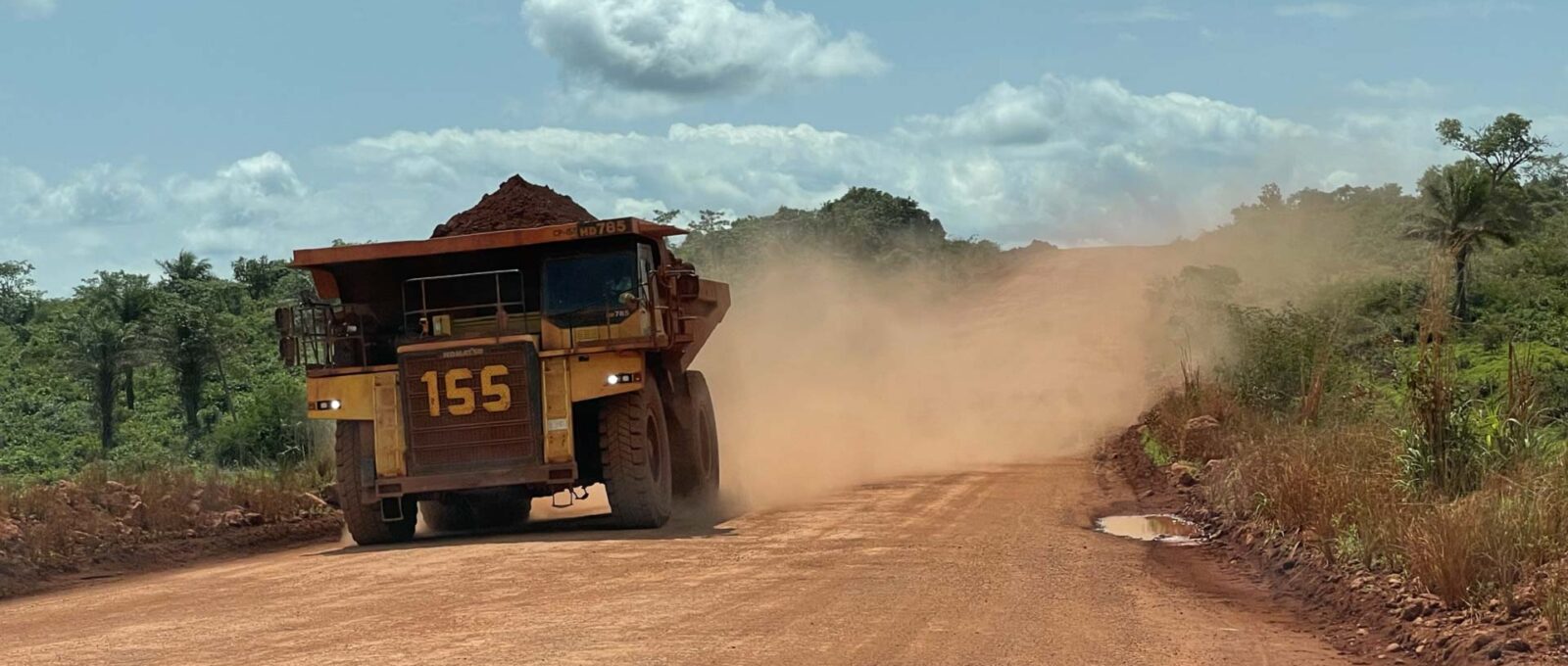
Compagnie des Bauxites de Guinée (CBG) mine is Guinea’s oldest mine and “has expropriated farmland, polluted water sources and caused long-term damage to the livelihoods of people near mining sites”, says the report. The report identifies from satellite imagery that only 10% of the land has been rehabilitated after mining, which is “far below industry best practice”. CBG is now exploring bauxite in 85 villages “in what local people fear is preparation for full-scale mining”, the report adds.
Residents of 13 villages close to the mine filed a complaint to the International Finance Corporation’s independent watchdog, the Compliance Advisor Ombudsman, in 2019 related to “years of damage from CBG’s activities, particularly loss of land and water sources” which “has gradually eroded living standards and economic resiliency”.
The report highlights testimony from villagers concerned about a proposed expansion – but shows they are keen for CBG to become a better negotiating partner than it has been in the past. Locals are calling for development that brings positives for the community – electricity, clean water, internet access, sealed roads, schools, good jobs and health clinics – in addition to a share of revenue from the mine.
Community requests outlined in the report include:
- Mining should proceed only once there has been a true dialogue and communities have provided consent.
- Negotiations between CBG and affected communities on the benefits they will receive and on plans to avoid or mitigate negative impacts.
- A fully transparent and participatory impact assessment and fair compensation before any land-taking.
- Communities should have access to technical and legal advisers to support.
Despite supplying 22% of the world’s bauxite, Guinea ranks near the bottom of the UN human development index.
Momadou Lamarana Bah, from Teliwora village said: “Living conditions in my village are difficult. If CBG comes, perhaps they can help us improve our quality of life. We want them to build a school, a health clinic and wells for fresh water. And the roads are so bad—we need better roads.”
“Based on what I’ve heard, CBG can provide these things. But what will we have to give up in exchange?” he said.
Lead the Charge’s annual leaderboard ranks global automakers based on their efforts to build equitable, sustainable, and fossil-free electric vehicle supply chains. It examines responsible mineral sourcing and aluminum decarbonization, and highlights what automakers can do to drive positive changes in these areas.