Members of Lead the Charge network are supporting calls for car makers to carry out regular audits of nickel mines in the Philippines after new research shows widespread negative impacts on local communities, from destroyed livelihoods to pollution that affects drinking water and health.
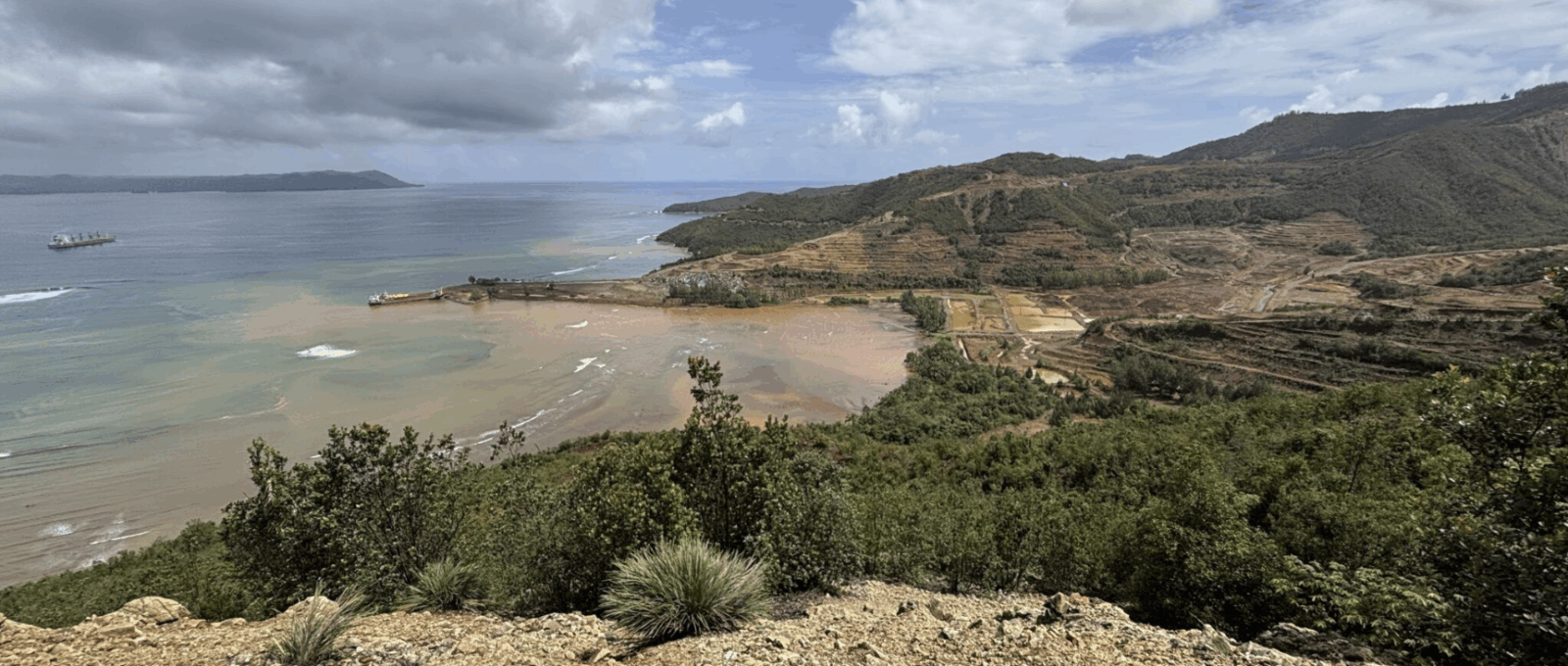
The report by Climate Rights International highlights testimony from residents and workers who live near nickel mines in the Caraga Region of Mindanao, which has 23 operating nickel mines, more than any other region in the Philippines. Nickel is a vital component of batteries for electric vehicles.
The report reveals nickel mining is linked to pollution that destroys fishing and farming jobs, and impacts the health of residents. As a result, local communities are experiencing food insecurity and are unable to pay for their children’s education. The report details a lack of accountability for harms and even “attacks, killings, criminalization, and intimidation of those who speak out, including environmental and human rights defenders”.
The report recommends that electric vehicle and battery makers:
- Carry out regular, independent audits of nickel mines to ensure that suppliers respect human rights and the environment; and
- Use their position in the supply chain to pressure mines and nickel suppliers to change practices that cause environmental or human rights harm, prevent abuses, and ensure accountability and justice for violations
- Increase transparency about EV supply chains by collecting information about companies throughout the supply chains engaged in mining, mineral processing, and battery production
Krista Shennum, researcher at Climate Rights International, a member of Lead the Charge network called on electric vehicle and battery companies to use their leverage to demand that the mining industry cleans up its act. “If EV companies want to position themselves as global leaders in the fight against climate change, they must demand that mining companies in their supply chains respect the rights of communities and end environmentally destructive practices.”
Lead the Charge members have for four years been pushing car makers to strengthen their due diligence systems to prevent, mitigate and remedy environmental harms and human rights violations in their supply chains. The annual leaderboard ranks global automakers based on their efforts to build equitable, sustainable, and fossil-free electric vehicle supply chains. It examines responsible mineral sourcing practices, which provide a framework for how automakers should address this issue.