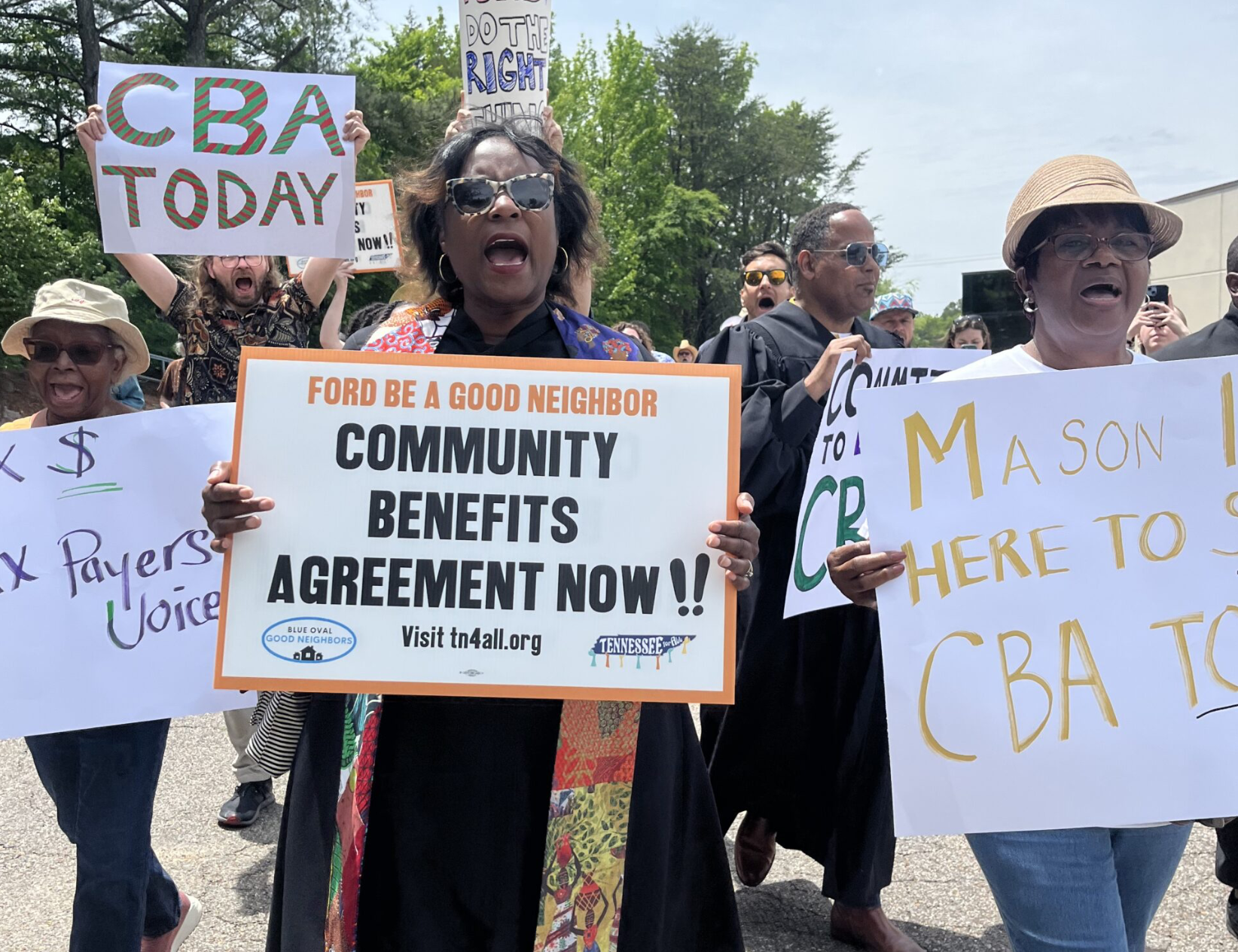
Not all EVs lead - see which brands are driving real change
Automakers are taking very different approaches to building a just and sustainable EV supply chain. Some are investing in responsible sourcing and clean production. Others are falling short. Use our consumer guide to make an informed choice.
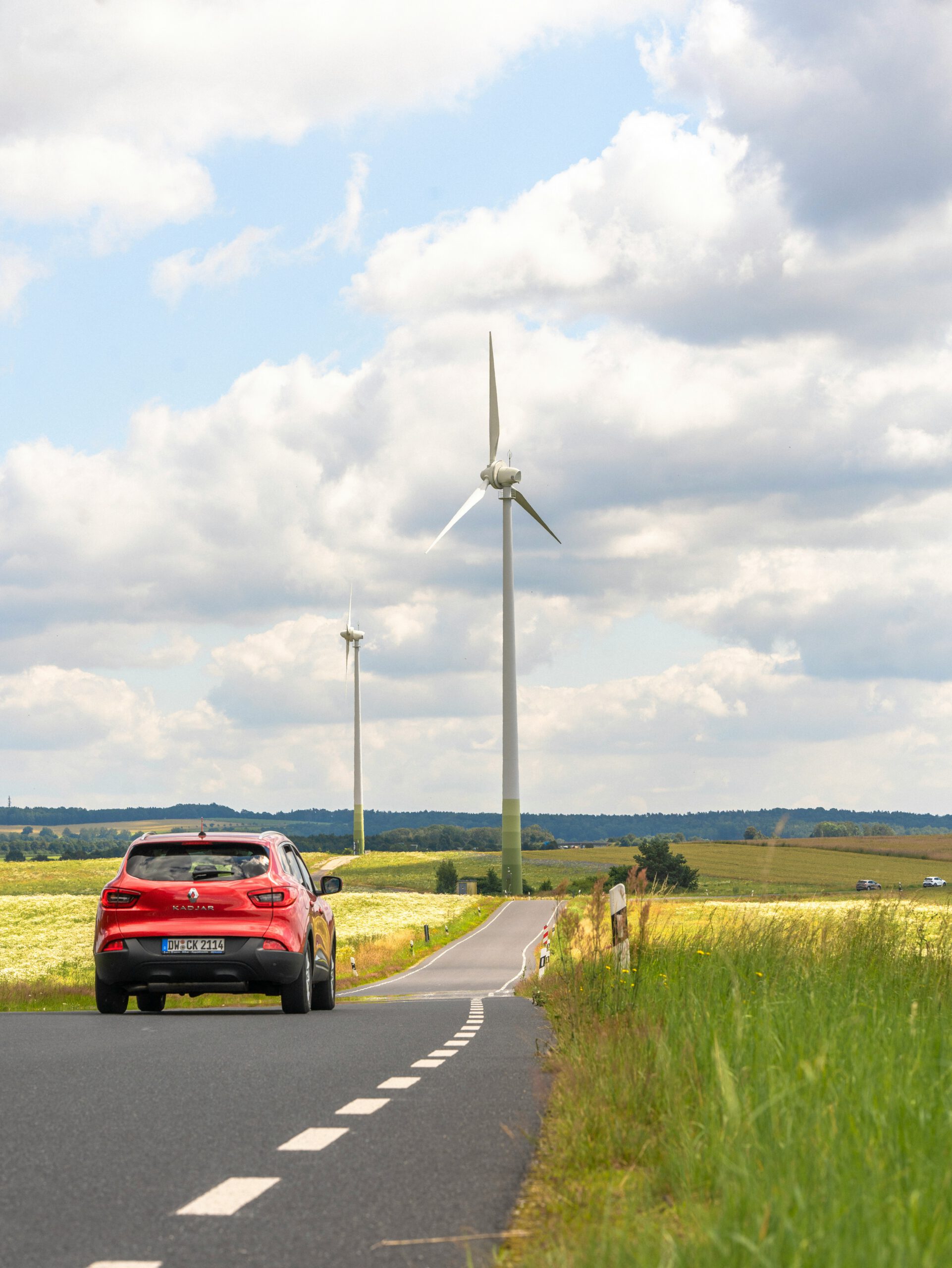
How does your EV purchase impact people and the planet?
Green steel and aluminum
Did you know that decarbonizing the steel and aluminum industries would eliminate as much climate-altering emissions as ending the use of gas-powered cars and vans worldwide?
Automakers – and the consumers who determine their sales numbers – have outsized power to support the decarbonization of the steel and aluminum industries, because the auto industry is one of the world’s largest buyers of both of these metals. EVs are shifting gears on the polluting internal combustion engine technology used in the auto sector for over a century, but so far most automakers are still manufacturing these cutting-edge vehicles with steel and aluminum produced in coke blast furnaces that were invented in the 19th century. If consumers demand vehicles with modern, clean green steel and aluminum, automakers will have no choice but to deliver.
If you care about the climate, one of the most powerful actions you can take as a consumer is to choose an EV from one of the companies using cleaner metals in their vehicles – and to let the company know why you made your decision.
Indigenous rights
More than half of the resources needed to power the energy transition are located on or near land where Indigenous People live. Often the minerals in EV batteries were mined on Indigenous Peoples’ territories without their consent, often polluting their air and water or even displacing them from their ancestral lands.
Our guide for EV consumers ranks automakers on their efforts to respect Indigenous Peoples’ right to self-determination and Free, Prior and Informed Consent throughout their supply chains. Companies such as Ford, Mercedes, Tesla, and Volkswagen have taken steps to ensure that their suppliers respect Indigenous rights and that the minerals used in their EV batteries are sourced with Free, Prior and Informed Consent of impacted Indigenous Peoples.
Ford has gone even further by publicly outlining how it would respond to breaches of Indigenous rights, while Tesla has publicly provided concrete examples of on the ground engagement to protect Indigenous Peoples’ rights.
To support the Indigenous communities who are the stewards of the world’s biodiversity, choose an EV from one of the companies listed below that are leading on respecting Indigenous rights in auto supply chains – and let the company know why you made your decision.
Battery Recycling
Experts predict that by 2050, we should be able to stop mining for new minerals altogether, and simply build batteries from the minerals recovered from recycled batteries. In a future with no mining for new battery minerals, all the harms associated with mining – air and water pollution, displacement of communities, violations of Indigenous rights – would no longer take place.
But this future will only come to pass if the EV industry invests now in circular battery supply chains.
Building circular battery supply chains means not only recycling the minerals in used batteries, but also in prolonging the useful life of existing batteries by redeploying them as energy storage. We’re already seeing this idea come to life in Japan, where used Toyota EV batteries are being used to power Mazda factories where new EVs are made.
Some automakers are already investing heavily in new recycling technology, like the direct battery recycling initiative from BMW that will allow used EV batteries to be safely recycled without thermal or chemical methods, while also recovering a higher percentage of the battery minerals.
If you want to ensure that your EV’s battery is manufactured and recycled with cutting-edge methods that support circular battery supply chains, choose an EV from one of the automakers listed below – and let the company know why you chose them.
Workers’ rights in the supply chain
Some EVs run on components made in union factories with fair wages and safe working conditions. Others rely on components made with child and incarcerated labor.
Automakers have a responsibility to the workers throughout their supply chains, from the mines where battery minerals are sourced, to the facilities all over the world where parts are manufactured, all the way to the factory floor where cars are assembled. Our consumer guide tracks which automakers are doing the most to uphold the rights of workers throughout their supply chains, so that they don’t suffer from abuses like those faced by battery workers in non-union factories in the US, or by mining workers in mineral extraction sacrifice zones like Indonesia and the DRC.
Automakers can support a just transition away from extractive internal combustion engine vehicles to clean electric vehicles by proactively supporting and ensuring respect for workers rights by their suppliers. A truly ‘clean’ auto supply chain would include fair wages and respect for workers’ rights from the factory all the way to the mine.
If you want to buy an EV from a company with a stronger track record of upholding living wages and safe working conditions in its supply chain, choose an EV from one of the automakers listed below – and let the company know why you chose them.
Which automakers are leading on clean and equitable supply chains?
Top 5
Climate





Top 5
Human Rights

Top performing EV brands
Total
Environment
Human Rights
Total
Environment
Human Rights
Total
Environment
Human Rights
Total
Environment
Human Rights
Total
Environment
Human Rights
Help automakers make the right choice for people and planet